
Understanding Sports Broadcasting
What is Sports Broadcasting?
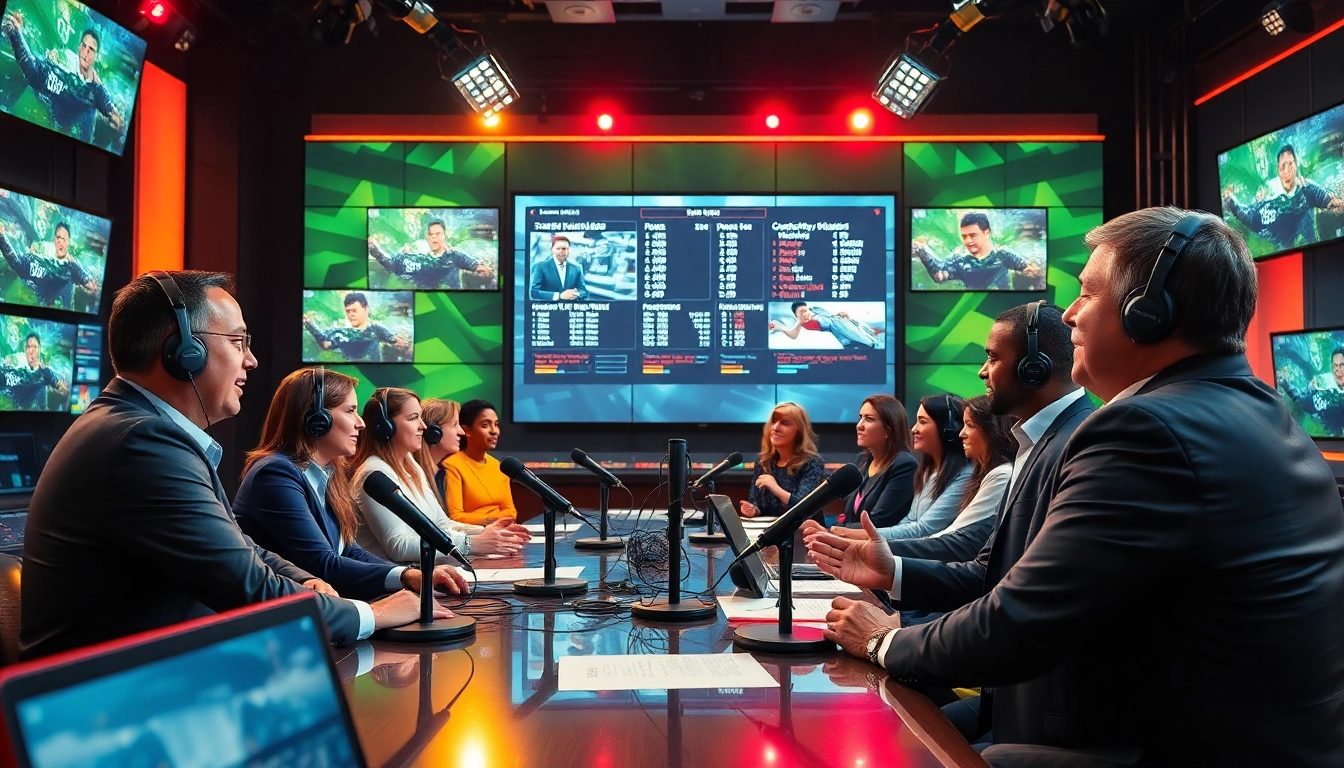
Sports Broadcasting is the practice of disseminating live or recorded sports events over various media platforms, including television, radio, and online streaming services. This field plays a pivotal role in sports culture, serving as a bridge between fans and the events they love. With the rise of digital media, the definition of Sports Broadcasting has expanded, incorporating platforms like social media and mobile apps, which enhance viewer engagement and accessibility to sports content. For a comprehensive look at the evolution and nuances of this industry, visit Sports Broadcasting.
The Evolution of Sports Broadcasting
The roots of sports broadcasting trace back to the early 20th century, when radio served as the primary medium for communicating sports events to audiences. The introduction of television in the 1950s revolutionized the industry, allowing fans to experience games from the comfort of their homes. Throughout the decades, technological advancements have continued to shape sports broadcasting, transitioning from static live broadcasts to dynamic offerings with enhanced graphics, analysis, and viewer interaction. Today, streaming services and on-demand content dominate the landscape, providing audiences with unprecedented access to sporting events.
Key Roles in Sports Broadcasting
Sports broadcasting encompasses various roles that work together to deliver content seamlessly to viewers. Key positions include:
- Play-by-Play Announcer: Provides a real-time account of events during the game, painting a vivid picture for the audience.
- Color Commentator: Offers insights and analysis on the game, enhancing the viewer’s understanding of tactics and player performances.
- Producers: Oversee the entire broadcast, ensuring that transitions between segments are smooth and that the technical aspects function correctly.
- Camera Operators: Capture the action on the field and contribute to the production quality of the broadcast.
Essential Skills for Sports Broadcasters
Communication Skills in Sports Broadcasting
Effective communication is fundamental in sports broadcasting. Broadcasters must articulate thoughts clearly and engage with the audience dynamically. They should possess the ability to adapt their commentary style to suit different events and adjust their pacing based on the tempo of the game. Strong public speaking and storytelling skills can captivate an audience, drawing them into the action and eliciting emotional responses.
Technical Knowledge and Tools
A proficient sports broadcaster must be familiar with the technical tools used in broadcasting. This includes understanding camera systems, audio equipment, and graphic overlays that enhance viewer experience. Knowledge of broadcasting software for editing and managing live feeds is also essential. Staying updated on current technologies, such as augmented reality and 4K broadcast techniques, can further distinguish a broadcaster in a competitive environment.
Understanding Audience Engagement
Understanding the target audience and knowing how to engage them effectively is crucial for broadcasters. Tailoring content to suit different demographic segments will keep audiences returning. Utilizing social media platforms to interact with fans, gather feedback, and share insights can enhance engagement. Regularly analyzing viewership metrics provides broadcasters with insight into what resonates with their audience, enabling them to refine their approach continually.
Trends Shaping the Future of Sports Broadcasting
The Impact of Social Media
Social media has transformed the way fans consume sports content. Platforms like Twitter, Instagram, and TikTok allow for real-time updates, highlights, and fan interactions that traditional broadcasting cannot match. Broadcasters can utilize these platforms to extend their reach and create a sense of community among viewers. By sharing behind-the-scenes content and engaging directly with fans, broadcasters can enhance a sense of connection, making the viewer feel like part of the event.
Interactive Features and Viewer Engagement
Interactive elements in Sports Broadcasting are rapidly gaining traction. Features like live polls, instant replays, and augmented reality experiences allow viewers to interact with the content actively. Broadcasters can leverage these tools to make their broadcasts more engaging and immersive. By giving fans the ability to influence certain aspects of the viewing experience, such as choosing camera angles or replay angles, broadcasters create a shared experience that fosters loyalty.
Emerging Technologies and Broadcasting Innovations
The sports broadcasting landscape is rife with emerging technologies, such as virtual reality (VR) and artificial intelligence (AI), which offer exciting possibilities for the future. VR can provide immersive experiences that transport viewers to the heart of the action, while AI can analyze vast amounts of data to generate insights about player performance and strategies. Innovations such as 5G networks will radically improve the speed and quality of streaming content, enhancing overall viewer experience.
Best Practices in Sports Broadcasting
Preparing for Live Events
Preparation is critical for a successful live sports broadcast. Broadcasters should invest time in researching teams, players, and current season statistics to provide insightful commentary. Developing a structured outline of key talking points can also help maintain focus throughout the broadcast. Additionally, rehearsing transitions and ensuring that all technical equipment is functioning can mitigate potential issues and enhance the flow of the show.
Building a Personal Brand as a Broadcaster
In an increasingly saturated field, building a personal brand is vital for sports broadcasters. This involves establishing a unique voice and style that resonates with viewers. Actively engaging with audiences on social media and participating in relevant discussions can help create a recognizable presence. Broadcasters should also showcase behind-the-scenes glimpses of their work, which humanizes them and makes them relatable to fans, fostering a deeper connection.
Legal and Ethical Considerations in Sports Broadcasting
Broadcasters must navigate legal and ethical considerations in their work. This includes understanding copyright laws, especially regarding the use of footage, images, and logos. Ethical broadcasting also requires responsibility in reporting on sensitive topics, such as player injuries and controversies, ensuring that information is accurate and fair. Upholding integrity in broadcasting builds trust with the audience and enhances a broadcaster’s reputation.
Performance Metrics and Improvement Strategies
Analyzing Audience Feedback
Continuous improvement is essential in sports broadcasting. Analyzing audience feedback helps broadcasters tailor their content effectively. Utilizing surveys, social media interactions, and rating systems can yield valuable insights. Understanding what elements the audience enjoys or dislikes enables broadcasters to refine their strategy, ensuring that they meet viewer expectations consistently.
Key Performance Indicators for Broadcasters
Measuring success in broadcasting involves a variety of Key Performance Indicators (KPIs). These can include audience ratings, viewer engagement metrics on social media, and audience retention rates during broadcasts. By tracking these metrics, broadcasters can identify trends and make data-driven decisions to enhance future broadcasts. Additionally, collaboration with media partners can provide further insight into viewership patterns and preferences.
Continuous Learning and Skill Enhancement
The broadcasting industry is constantly evolving, meaning that broadcasters must commit to lifelong learning. Participating in workshops, online courses, and staying abreast of the latest industry trends through podcasts and publications will ensure that they maintain their competitive edge. Networking with other professionals in the field can also provide vital insights and opportunities for collaboration.
FAQs About Sports Broadcasting
What qualifications are needed to become a sports broadcaster?
Most sports broadcasters hold degrees in communications, journalism, or a related field. Experience through internships and practice in radio or TV broadcasting also enhances prospects.
How can I improve my sports commentary skills?
Improving commentary skills involves practice, watching professional broadcasts for techniques, and seeking feedback from mentors or peers to enhance delivery and engagement.
What role does social media play in sports broadcasting?
Social media offers broadcasters a platform to engage with fans, share live updates, and foster a community, enhancing the overall viewing experience.
What are common mistakes to avoid in sports broadcasting?
Common mistakes include lack of preparation, over-talking, and inadequate audience engagement. Broadcasters should focus on clarity, content depth, and viewer interaction.
How do broadcasters analyze audience metrics?
Broadcasters analyze audience metrics through analytics tools that track viewership rates, engagement levels, and feedback from social media to inform future content development.